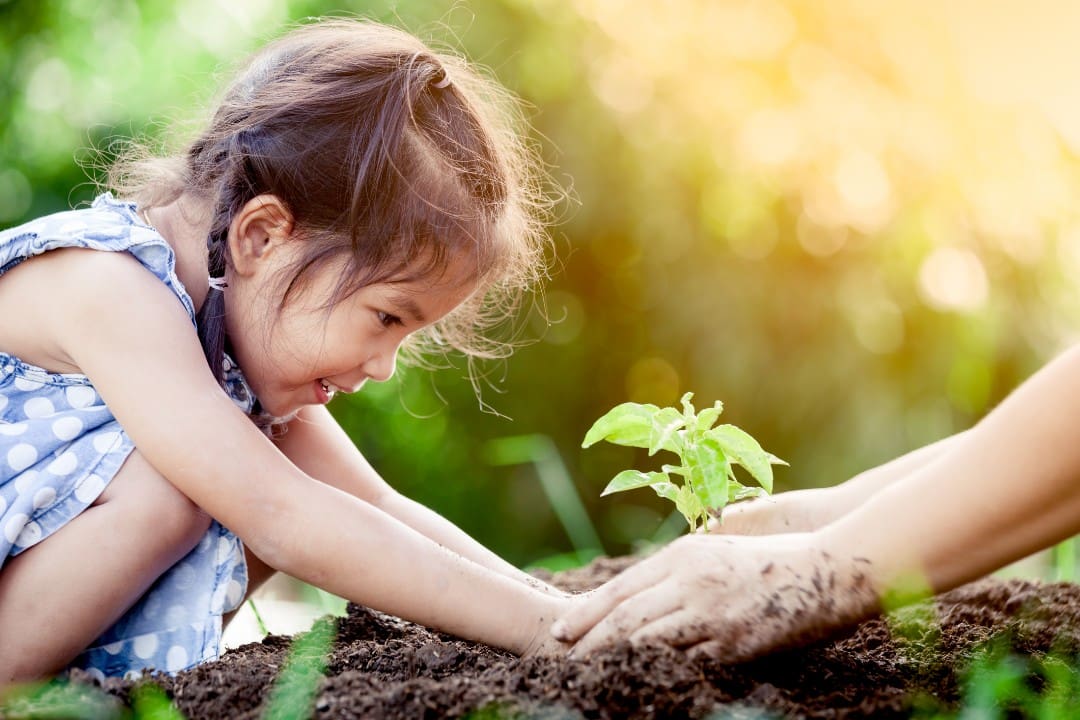
When children dig their hands into the soil, press a seed into the earth, and watch something living grow, they make discoveries in an outdoor classroom that shape many aspects of their development. The layered, meaningful learning experiences of gardening support a child's intellectual, physical, social, and emotional growth all at once. At Early Advantage Child Care, we see its impact reflected in children every day.
How Gardening Educates Children Across Every Area of Growth
The Garden as a Living Classroom
One of the most compelling aspects of kids' gardening education is how naturally it teaches lessons across subject areas. A garden is a science experiment children can taste, touch, and tend. When kids observe how a seedling pushes through the soil, they are learning about biology. When they measure how tall their sunflower has grown week over week, they are practicing math. Studies show that children who participate in school garden programs demonstrate stronger science achievement. In addition, garden-based learning makes a positive impact on students' knowledge, attitudes, grades, and behavior.
Teaching children through gardening also nurtures literacy. Reading seed packets, following plant care instructions, and keeping simple garden journals all give children the opportunity to connect language and meaning in a real-world context.
Gardening and Early Childhood Learning Through the Senses
For younger children, sensory exploration is one of the most powerful ways to learn, and the garden delivers it in abundance. The texture of soil, the smell of an herb like thyme, the weight of a watering can, and the bright color of a nasturtium all engage a child's developing brain in ways that structured indoor activities simply cannot replicate. Gardening and early childhood learning work so naturally together because children at this stage learn by doing. Every trip to the garden is full of discovery.
Preschoolers develop gardening skills through sensory-rich moments. Grasping a small trowel strengthens fine motor skills. Carrying a container of water builds coordination and core strength. Even pulling a weed exercises focus and problem-solving as children figure out how to grip and remove a root without tearing the stem.
The Many Benefits of Gardening for Kids
Physical and Emotional Development
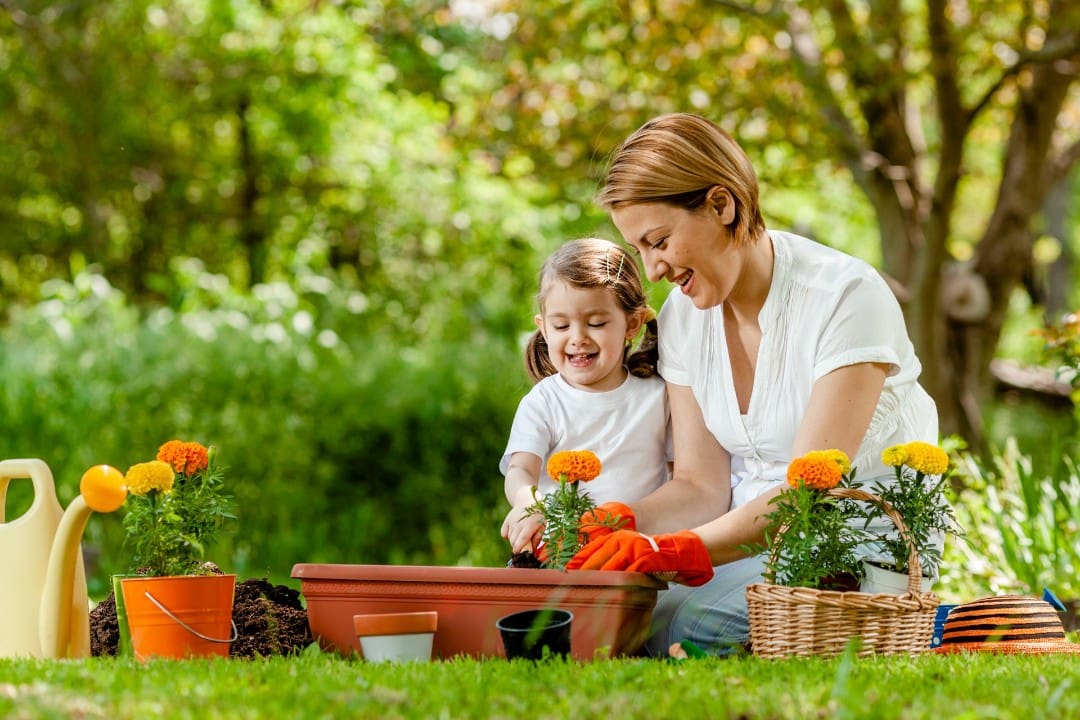
The benefits of gardening for kids extend to their physical health as well. Digging, planting, watering, and harvesting keep children moving in ways that feel purposeful rather than prescribed. Because the activity has a visible goal, children and adults alike find it easy to stay engaged for longer stretches of time.
Emotionally, the garden gives kids a sense of purpose that is hard to replicate elsewhere. When a child helps build a raised bed, plants a cucumber, and later harvests that vegetable for a meal, they feel empowered. This sense of accomplishment helps build confidence and resilience. As our blog post on how to encourage resilience in young children explains, children who persevere develop skills that serve them well into adulthood. The garden is full of natural opportunities for exactly that kind of growth.
Healthy Eating and Nutrition Awareness
One of the most immediate benefits of gardening for kids is a changed relationship with food. Studies show that children who grow their own fruits and vegetables are far more likely to eat more produce. A child who wrinkles their nose at lettuce on a dinner plate will happily munch on a leaf they grew themselves. Growing vegetables like radish, cucumber, and lettuce introduces kids to healthy eating in a way that no classroom lesson or grocery store trip can match.
This connection matters deeply for early childhood nutrition. Involving children in the process of growing and preparing food promotes healthier food choices across childhood and into adulthood. Teaching kids that fruits and vegetables come from living things they can tend and care for will help them develop lifelong healthy eating habits.
Building Social Skills Through Gardening
A garden is a naturally collaborative space. Kids who participate in shared garden projects learn to take turns, communicate, share tools, and celebrate each other's contributions. Whether it's a school garden plot or a container garden on a child care center patio, gardening activities in child care centers foster teamwork and positive relationships among peers.
Involving children in the process of growing something together also teaches them about the broader community and how individual effort contributes to a shared outcome. This is closely linked to the social-emotional goals outlined in our preschool child care program, where every child is supported in building the relational skills that prepare them for kindergarten and beyond.
Gardening Lessons for Young Children: Where to Begin
Start Small With Easy-to-Grow Plants
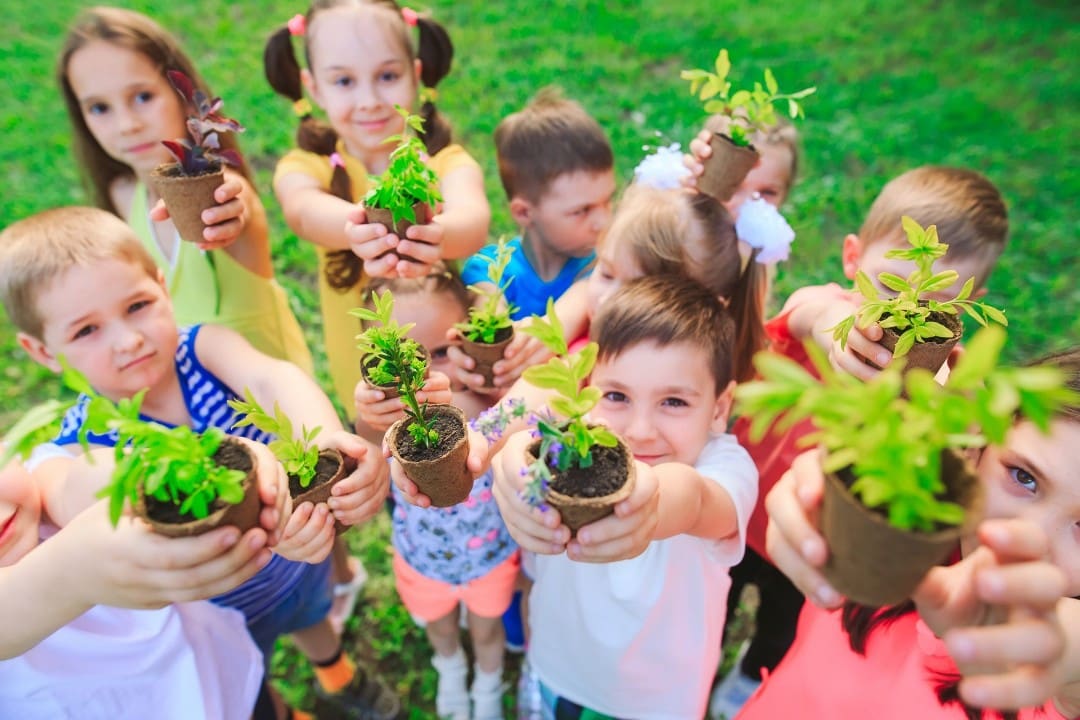
A few well-chosen, easy-to-grow plants will give children quick feedback and early success, fueling motivation to keep gardening. Good choices include sunflowers, which sprout fast and grow dramatically tall; radish and lettuce, which are ready to harvest in just a few weeks; and root vegetables like carrots, which delight kids when they finally pull them from the ground.
If outdoor space is limited, a windowsill herb garden is a wonderful starting point. Children can grow herbs like thyme and watch them thrive indoors. Herb gardens also make great family activity projects that give kids a sense of ownership over something they can use in the kitchen. Make sure the plants receive enough light and that children take turns watering so that every child feels included in the process.
Gardening Activities in Child Care Centers
Gardening activities in child care centers and school garden settings offer children guided learning experiences within a group. At Early Advantage, children have the opportunity to participate in gardening as part of our hands-on curriculum that is designed to foster curiosity, teamwork, and a love of learning.
Gardening can include everything from planting a container herb garden to maintaining a small raised vegetable bed. Children learn about fertilizer, soil health, and plant care in age-appropriate ways. They practice patience as they water seeds and wait for growth. These gardening lessons for young children also touch on concepts covered in our Frog Street curriculum, weaving science, math, and language arts into every gardening activity.
How Gardening Educates Children in Science and Beyond
Connecting Kids to Science Through the Garden
The garden is one of the most effective tools we have to educate children about the natural world. Kids observe cycles, test hypotheses, and draw conclusions in real time. What happens if a plant does not get enough water? Why are bees visiting the flowers? What makes the soil in one spot different from another? Every question a child asks in the garden is a science lesson in motion.
Gardening brings together concepts from biology, ecology, chemistry, and earth science in a way that is tangible and memorable. When children learn that fertilizer feeds plants the way food feeds people, they connect abstract scientific ideas to something deeply familiar. This kind of experiential learning helps build cognitive frameworks that support science achievement well into the school years.
Teaching Children Through Gardening to Stay Calm and Focus
Gardening has a quieting effect on children that many parents and educators notice but rarely expect. The rhythmic, repetitive nature of garden tasks like watering, weeding, and digging helps children stay calm and regulate their emotions. For young learners who benefit from sensory input to stay focused, the garden provides a natural and healthy outlet.
This connection between nature and emotional regulation is one reason why gardening and early childhood learning fit together so naturally. For children, regular access to a garden, an outdoor space where they are responsible for living things, helps them develop the self-regulation skills that support learning across every subject area.
How Gardening Gives Children the Opportunity to Grow
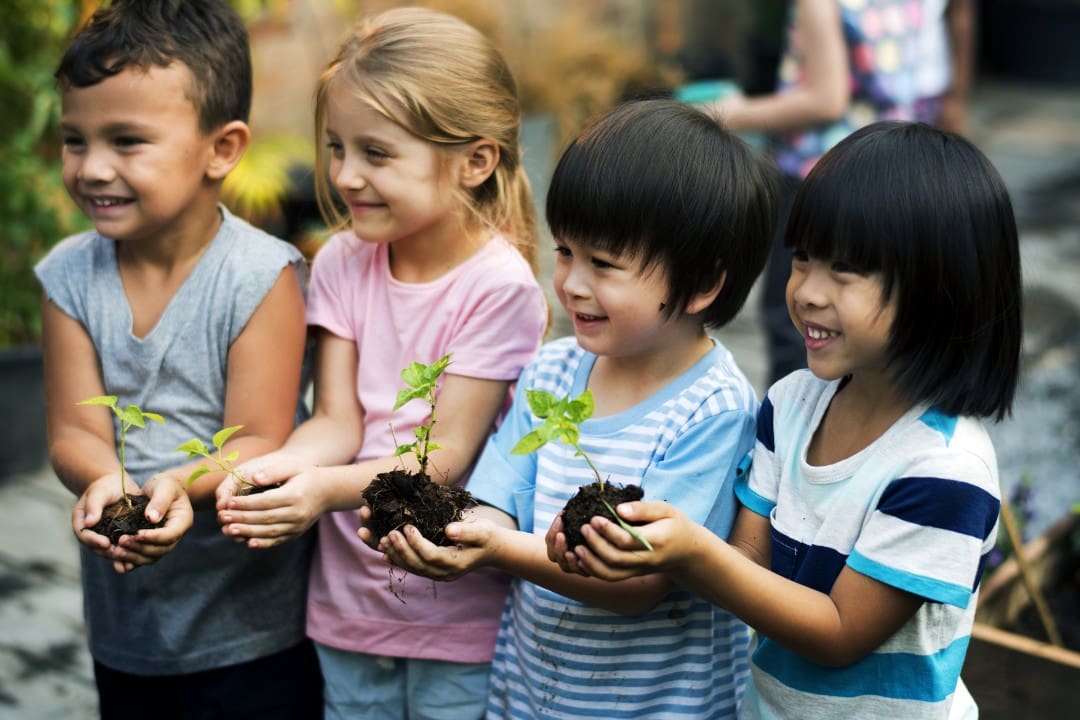
Gardening brings together physical development, cognitive challenge, social connection, and emotional growth in a single activity that every child can access. It teaches responsibility through plant care, curiosity through discovery, and confidence through harvesting something they tended from a seedling. It connects kids to healthy eating, math, science, and to each other.
Whether your child is a preschooler planting their first sunflower on a windowsill or part of a school garden learning to grow herbs and root vegetables, the lessons they carry home from the garden last a lifetime. Developing gardening skills in preschoolers today helps build the capable, curious learners of tomorrow.
At Early Advantage Child Care, helping children learn through hands-on, real-world experiences is central to everything we do. If you're curious to find out how our programs support your child's development, we invite you to schedule a tour and see our center in action.