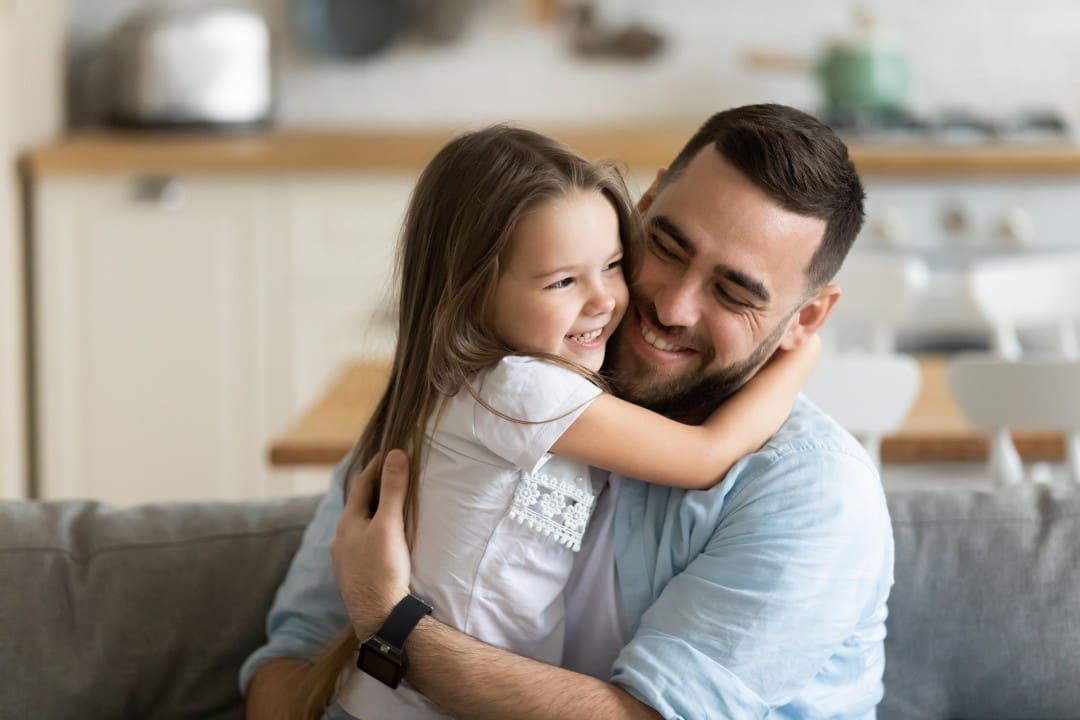
Every child deserves to feel safe, loved, and confident in the world around them.
The attachment your child forms with a responsive caregiver in early childhood is one of the most powerful forces in the process of human development. These bonds shape how a child learns, communicates, manages their emotions, and builds relationships from childhood through adulthood.
What Is Attachment Theory?
Attachment theory was first introduced by British psychiatrist and psychoanalyst John Bowlby in the 1950s. Bowlby observed that children are born with a biological need for closeness with a caregiver, and that this need for attachment goes far beyond feeding and physical care. Bowlby argued that the emotional bond between a child and their caregiver is the true foundation of healthy child development and, more broadly, of human development itself.
Bowlby proposed that the patterns of attachment children experience in early life become an internal working model — a mental blueprint for how relationships function. A child who experiences consistent, responsive caregiving learns that the world is safe and that people can be trusted. A child whose early life is marked by inconsistent or unavailable caregiving may develop a very different internal map.
Psychologist Mary Ainsworth built on Bowlby's attachment theory through her now-famous "Strange Situation" study in the 1970s. Ainsworth observed infants and their caregivers across hundreds of interactions and tracked what happened when a caregiver left the room and returned. Her research identified distinct patterns of attachment in children that still shape how we understand child-parent relationships today.
Attachment theory has become a cornerstone of child development research. It gives parents and caregivers a clear, evidence-backed framework for understanding what children need — not only physically, but emotionally and relationally — from their very first days of life.
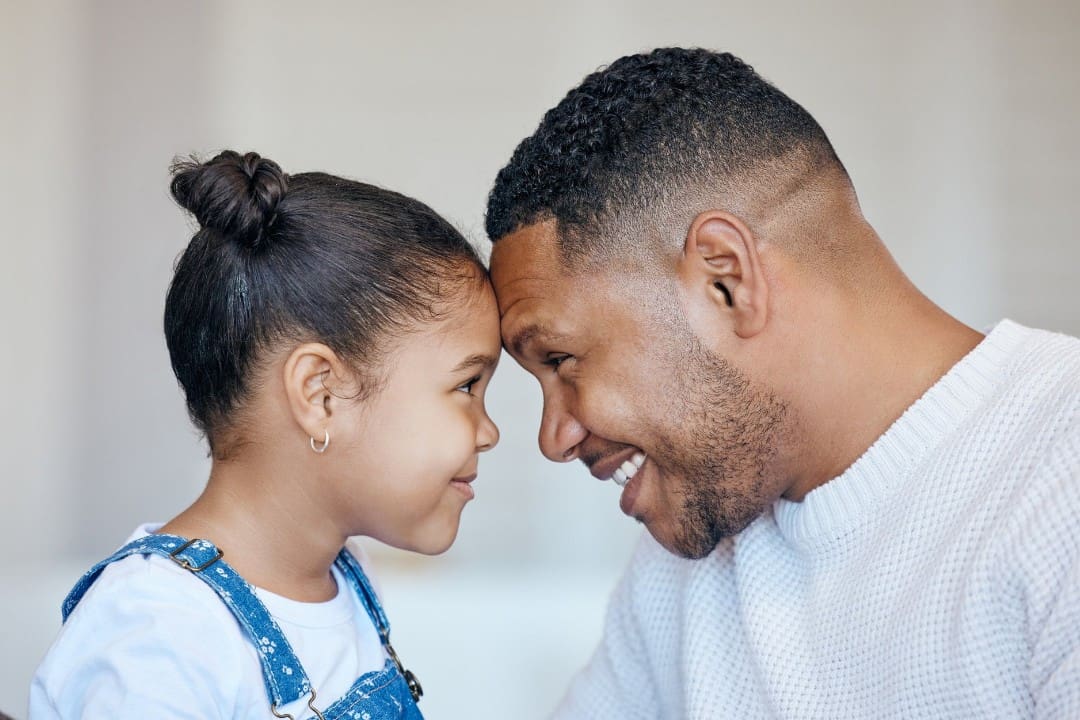
The Four Types of Attachment
Ainsworth's research, combined with Bowlby's foundational theory, identified four distinct attachment styles that children develop based on their experiences with caregivers. Understanding each type of attachment can help you respond more thoughtfully to your child's emotional cues and build a stronger attachment relationship over time.
Secure Attachment
A securely attached child trusts that their caregiver will be available, consistent, and comforting. Children who develop secure attachment have a deep, working trust that their caregiver will show up when they need support. A securely attached child uses their caregiver as a base to explore their environment freely, knowing that a safe haven is available if they become frightened or upset. When the caregiver returns after a separation, the child seeks comfort, accepts it, and settles. That cycle of reach, response, and relief is the heartbeat of secure attachment.
Securely attached children tend to regulate their emotions more effectively, form stronger childhood relationships, and carry a more positive view of themselves and the people around them. They learn to express their feelings openly, which builds the emotional vocabulary and resilience they will rely on throughout life. Securely attached children are also more likely to approach learning with curiosity and confidence, treating the classroom as a safe space to take risks and ask questions.
Children develop a secure attachment style when caregivers are consistently attuned and responsive. This does not require perfection. What matters most is the repair: when a caregiver misses a cue, returning to connection quickly and consistently reinforces the message that the child can count on their caregiver for comfort no matter what.
A child who feels safe to express their feelings and explore their environment without fear of losing their caregiver's love is a child who is building the emotional and social skills they will use for the rest of their life.
Avoidant Attachment
Avoidant attachment, sometimes called anxious-avoidant attachment, develops when a child repeatedly experiences a caregiver who is emotionally unavailable or dismissive of their distress. Over time, the child learns to suppress their need for closeness as a strategy for avoiding the pain of reaching out and being turned away.
A child with avoidant attachment may seem calm and self-reliant, especially during separations. This apparent ease often masks managing their emotions internally rather than expressing them. Children with avoidant patterns can struggle with trust in others and may find closeness uncomfortable in peer and family relationships.
The good news is that avoidant attachment is not permanent. A patient, responsive caregiver who consistently offers warmth and remains available can help a child with avoidant tendencies begin to develop greater trust and emotional openness.

Anxious Attachment
Anxious attachment forms when a child receives inconsistent caregiving — sometimes warm and responsive, other times unavailable or distracted. A child with this attachment style may become intensely distressed during separations and difficult to comfort when the caregiver returns.
These children may be preoccupied with monitoring their caregiver's availability, which can make it harder for them to explore their environment and engage confidently with peers. A child may cling tightly and resist independence, not out of defiance, but out of genuine fear that the caregiver will not be there when needed. Predictability and follow-through from a caregiver can be profoundly stabilizing for a child with anxious attachment.
Disorganized Attachment
Disorganized attachment is considered the most complex of the insecure attachment styles. A child with disorganized attachment may show contradictory or confused behaviors with their caregiver, such as seeking comfort and then suddenly pulling away, freezing in place, or behaving in ways that seem out of context.
Disorganized attachment typically develops when a child's caregiver is both a source of comfort and a source of fear or unpredictability, leaving the child with no clear attachment strategy. This type of attachment is associated with greater challenges in child development, including difficulty managing emotions, building trust in others, and forming stable relationships.
Early identification and support from trained caregivers and child development professionals can make a meaningful difference for children navigating disorganized attachment. At Early Advantage, our staff is trained to recognize these patterns and work collaboratively with families toward greater security for every child.
Why Secure Attachment Matters: The Lifelong Impact
The importance of secure attachment in early childhood cannot be overstated. The bond formed between a child and their caregiver in the earliest years sets the tone for nearly every area of development that follows.
Children who develop a secure attachment style are more likely to develop the following strengths across childhood and into adulthood:
- Strong emotional regulation, including the ability to manage frustration, fear, and disappointment without being overwhelmed
- Positive relationships with peers, teachers, and other caregivers outside the home
- Greater empathy, curiosity, and social awareness
- The confidence to explore their environment independently while knowing support is available
- A healthy ability to express their feelings and seek help when needed
- Resilience in the face of stress, conflict, and transitions
Children and their caregivers are co-creators of the attachment style that takes shape in early life. Children also carry the emotional patterns formed in early childhood relationships into their adult friendships, partnerships, and eventually their own parenting. The attachment bonds built today are investments in your child's well-being for decades to come.
Bowlby's work showed that the need for attachment does not fade with age — it simply shifts. A toddler who clings to their caregiver at drop-off and a teenager who needs a parent to listen without judgment are expressing the same fundamental need: I need to know you are there. The more securely that need is met in early life, the more confidently a child can meet the world on their own terms.
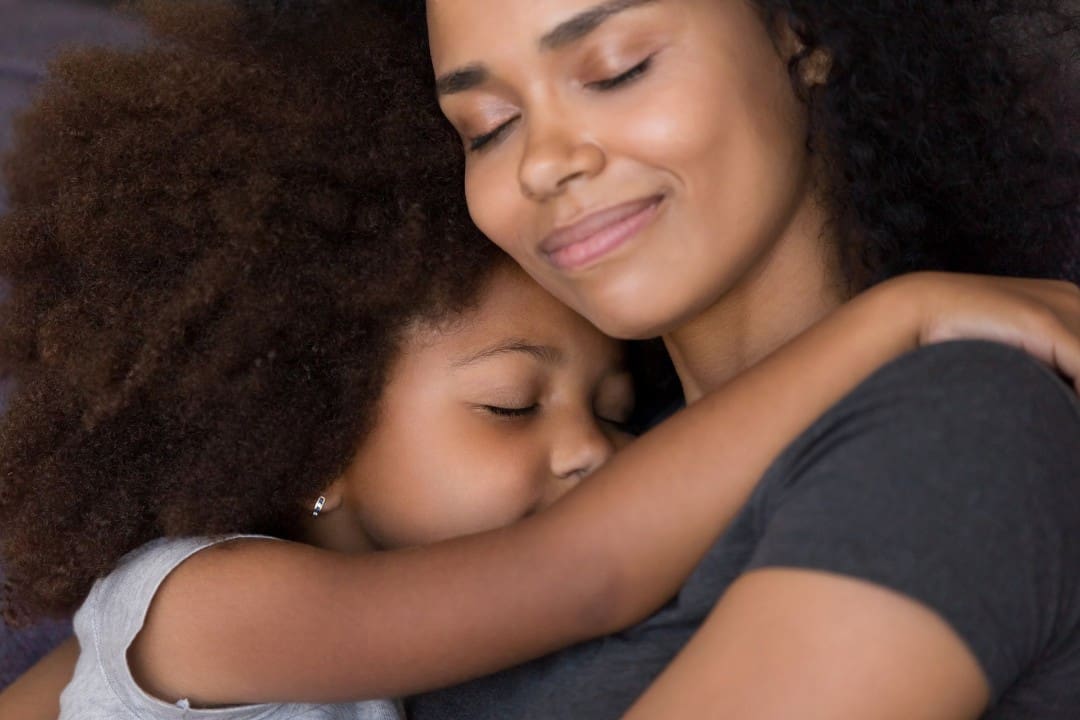
The Role of the Caregiver in Building Secure Attachment
Caregivers are the architects of attachment. Whether you're a parent, a grandparent, or a professional at a child care center, the way you respond to a child's emotional cues is the single most significant factor in the attachment style that child develops.
Infants and their caregivers begin forming attachment bonds in the very first hours and days of life. Eye contact during feeding, a soothing voice during distress, and physical closeness during sleep all send early signals to a baby or toddler that the world is safe and that they are worthy of care. These early interactions are not trivial: they are the raw material of a child's emotional brain.
As a child grows from infant and toddler into preschool age, the behaviors that build attachment evolve. The underlying mechanism stays the same: a child reaches out, and a caregiver responds. Over thousands of these small interactions, the child builds an internal sense of safety. That sense of safety becomes the secure base to explore from, try new things, and take social risks.
Primary caregivers are not the only adults who matter in a child's attachment landscape. Children form attachments with multiple caring adults over the course of childhood, including teachers, child care providers, coaches, and extended family members. Each of those attachment relationships adds to a child's overall reservoir of security. At Early Advantage, our caregivers approach every interaction with that understanding.
Being attuned and responsive does not mean being available 24 hours a day or never making mistakes. It means being willing to repair. When a child and caregiver experience a moment of mis-attunement, returning to connection quickly reinforces one of the most important messages a caregiver can send: I see you, and I am not going anywhere.
Recognizing Attachment Issues Early
Attachment issues can develop in children for a wide range of reasons, and recognizing the signs early gives children the best chance at developing a more secure attachment style over time.
Attachment issues may appear as extreme separation anxiety that does not ease over time, persistent emotional withdrawal, significant difficulty forming relationships with peers, chronic defiance or aggression, or an inability to accept comfort from caregivers. A child may also show signs of insecure attachment through ongoing difficulty managing their emotions in ways that seem disproportionate to the situation.
These signs do not reflect a permanent state. Children are remarkably adaptable, and with consistent, responsive caregiving and appropriate professional support, a child can move toward a more secure attachment over time. The patterns of attachment are not set in stone, especially during early childhood when the brain is most open to new relational experiences.
If you notice signs of attachment issues in your child, connecting with a pediatrician or child development specialist is a meaningful first step. Our teachers at Early Advantage are trained to recognize these patterns and partner with families to ensure children build greater trust and security in their relationships.

Practical Tips for Building Secure Attachment With Your Child
Building a strong, healthy attachment with your child does not require a perfect parenting approach. It requires presence, consistency, and a commitment to showing up even when things are hard. Here is one overarching tip to keep in mind: quality of attention matters more than quantity of time. Ten minutes of full, genuine presence builds attachment more effectively than hours of distracted togetherness.
With this foundational truth in mind, the strategies below can help you develop a secure attachment style with your child across every stage of development.
1. Spend Quality Time Together Every Day
Spend quality time with your child through play, reading, conversation, or shared routines. Child-parent play communicates something words often cannot: you are worth my time, and I love being with you. These moments of positive interaction build the emotional foundation that children draw from when stress arrives.
2. Use Eye Contact and Physical Closeness
Eye contact and physical closeness are two of the most direct signals of safe, secure connection. Making eye contact during meals, kneeling to meet your child's level when they talk to you, and offering a calm embrace when they are upset all reinforce the emotional bond between you and your child.
3. Respond Consistently to Bids for Connection
Attachment researchers have found that how caregivers respond to a child's bids for connection — those small moments of reaching out through a look, a touch, or a request for attention — is one of the strongest predictors of the attachment style a child develops. Turning toward those bids consistently, even briefly, signals: I notice you, and I am here.
4. Help Your Child Name and Regulate Emotions
Help your child develop emotional language by naming feelings out loud. Saying "it looks like you feel really disappointed right now" helps a child learn that emotions are manageable and that you are a safe place to bring them. This emotional coaching over time helps children regulate their emotions in healthy, productive ways.
5. Practice Positive Parenting With Clear Limits
Positive parenting is not about eliminating all boundaries. Clear, loving limits help a child feel safe. A child who understands what to expect from their caregiver — and who knows that limits come from care rather than control — can explore their environment with confidence. A boundary and a strong attachment relationship go hand in hand.
6. Bond With Your Child Through Daily Routines
You don't need to schedule special activities to bond with your child. Bath time, the drive to school, cooking together, or a morning cuddle all create opportunities to make eye contact, tell stories, and simply be together. When you use everyday moments intentionally, you build attachment bonds that accumulate into something lasting.
7. Repair After Conflict Quickly and Warmly
Every caregiver has hard moments. What defines secure attachment is not the absence of conflict but the presence of repair. After a difficult interaction with your child, returning to connection, apologizing when appropriate, and reaffirming your love teaches your child something profoundly valuable: relationships can survive hard things.
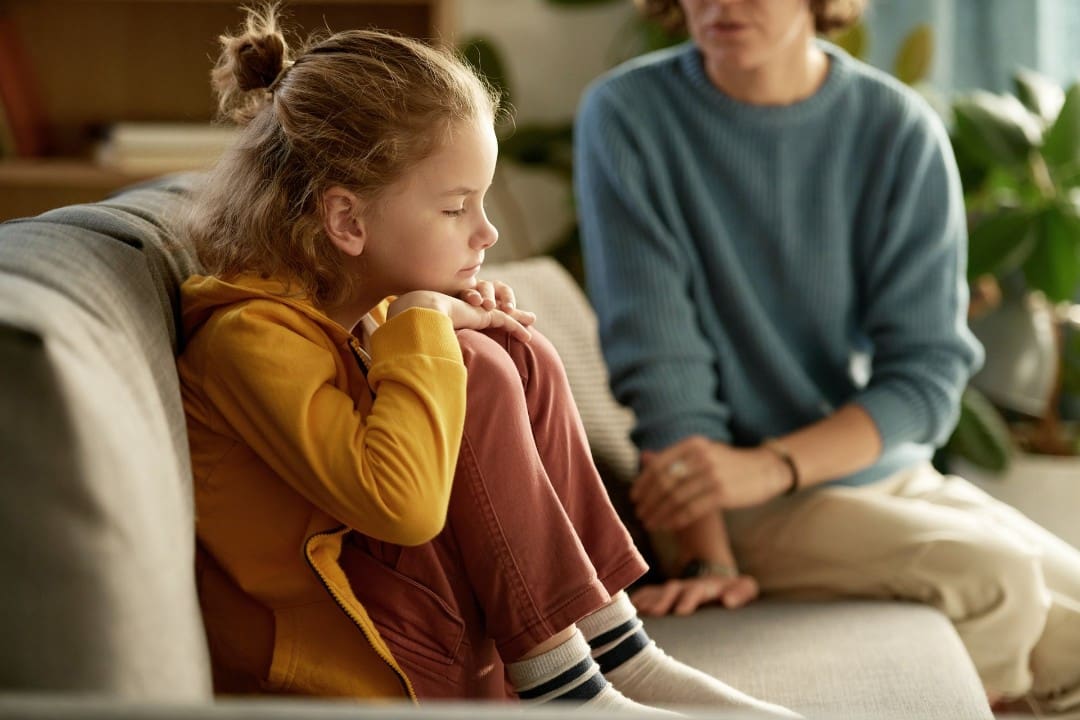
Building Positive Relationships: Attachment and Your Child's Social World
The attachment relationship your child develops with their primary caregiver does not stay confined to home. Children learn from these early bonds how to form attachments with peers, teachers, and other trusted adults. Children who develop a secure attachment style are more likely to develop strong, positive relationships in group settings like school and child care.
Securely attached children tend to approach their social world with openness and curiosity. They are more comfortable asking for help, more willing to try new things, and more capable of managing their emotions when conflict arises with peers. They know from experience that closeness is safe, that help is available, and that relationships are worth investing in.
Children who struggle with insecure attachment styles may find social environments more challenging. They may misread social cues, withdraw from connection, or react with anxiety or aggression in situations that feel overwhelming. These children are not "difficult." They are children who have not yet experienced enough consistent caregiving to feel confident that relationships are safe. With the right support, children are likely to make meaningful progress toward healthier social connection at any age.
At Early Advantage, we understand that children form their sense of social safety in a child care environment as much as they do at home. That is why we take the teacher-child relationship so seriously across every classroom and age group.
How Early Advantage Supports Attachment in Early Childhood
At Early Advantage Child Care, attachment is not just a theory we reference. It's woven into every interaction, every curriculum choice, and every policy at our center.
Our teachers are trained professionals who understand that their relationship with each child is the most important tool they have. We maintain low child-to-teacher ratios, including a 1:4 ratio for infants, so that every child receives the individualized, responsive attention that healthy attachment requires. This closeness between a child and teacher is not incidental. It is by design.
We integrate several research-backed curriculums specifically designed to support attachment and emotional development in early childhood:
- Conscious Discipline focuses on emotional intelligence and self-regulation, giving children the tools to understand, express, and manage their emotions in age-appropriate ways.
- Baby Doll Circle Time teachers communication and social skills to our youngest children, building the relational skills that strong attachment relationships depend on.
- Second Step teaches social-emotional skills, such as conflict resolution and decision making, that help children develop positive relationships with peers and trusted adults throughout their childhood years.
- Frog Street Curriculum supports early brain development and cognitive growth through active learning and hands-on instruction to support lifelong learning.
The attachment bonds your child develops in early childhood become the foundation for who they grow up to be. We would love to show you how Early Advantage Child Care supports secure, healthy attachment, positive parenting, and whole-child development. Schedule a tour today of our childcare center in Byron, MN to learn more.