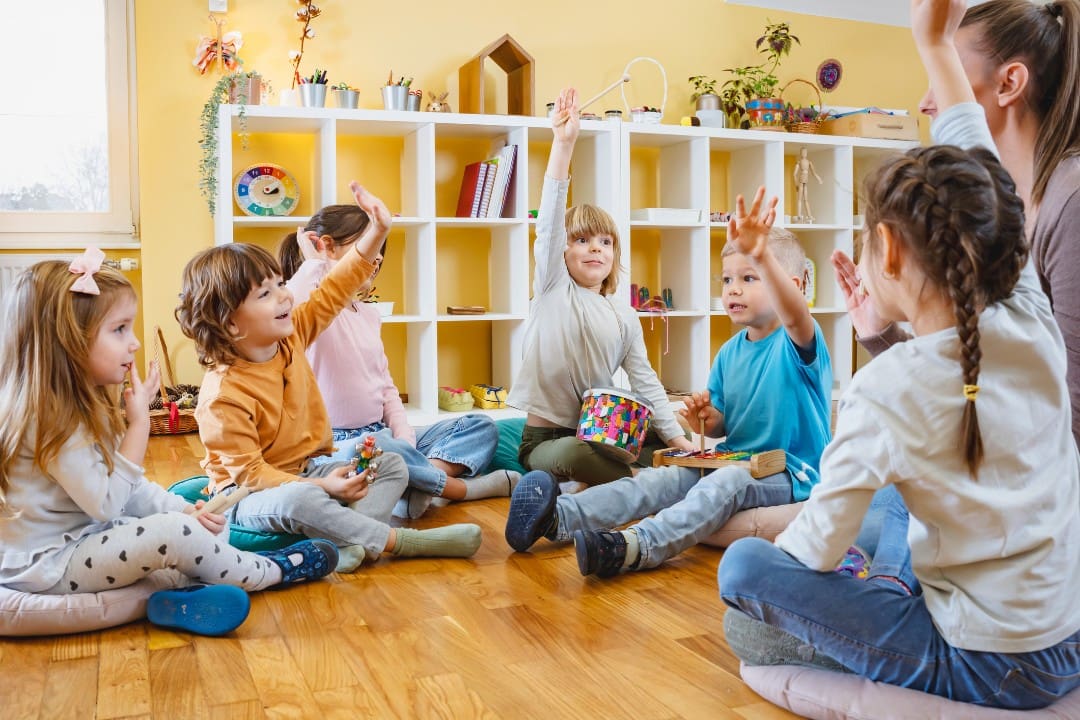
Every child learns in their own way. Some children absorb information by watching and observing.
Others listen closely and process what they hear. Many explore with their hands, feet, and curiosity. At Early Advantage, we understand that learning styles make a huge difference in how a child learns, feels confident, and develops a love of learning that lasts well beyond preschool.
Recognizing how your child learns best allows teachers to personalize lessons, activities, and experiences that truly connect. That’s why our team designs every day around the way children naturally absorb information. Understanding different learning styles can help parents and teachers work together to make every learning moment meaningful and joyful.
Why Learning Styles Matter in Early Education
During the preschool years, your child’s brain is growing quickly, making this the perfect time to shape how they process information. Early education is not just about ABCs and numbers—it’s about how children understand the world and build confidence through exploration.
At Early Advantage, our teachers pay close attention to how each child learns. We watch for what draws their attention, what activities excite them, and how they respond to direction and play. Some children are quiet observers. Others jump into motion the moment a song begins. By recognizing these patterns, we can adjust our curriculum to support each child’s learning style naturally.
When children learn in ways that feel right for them, they retain more information and participate more fully. This creates a stronger foundation for future learning—and helps every child feel proud of their accomplishments.
The VARK Model and the Types of Learning Styles
One popular model for understanding how children learn is called the VARK model. It identifies four learning styles: Visual, Auditory, Reading/Writing, and Kinesthetic. For preschoolers, we focus mainly on the first three—visual, auditory, and kinesthetic learning.
Each learning style reflects how a child absorbs information best. A visual learner may need to see ideas in pictures or charts. An auditory learner may need to hear them spoken or sung. A kinesthetic learner, often called a tactile learner, learns through hands-on movement and exploration.
At Early Advantage, our classrooms bring all these elements together so each child can learn best through their preferred learning style while being gently introduced to others. This balance supports full brain development and ensures every child experiences success and joy in learning.
The Visual Learner: Seeing the World in Color
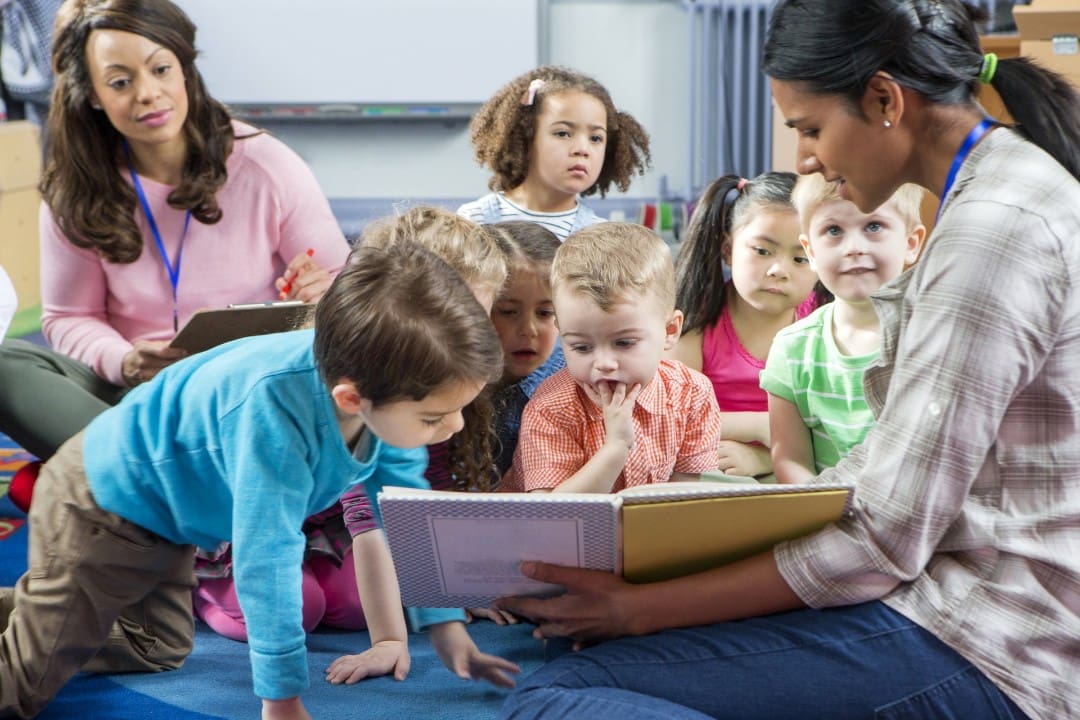
A visual learner learns best by seeing. These children love colors, patterns, and organization. They learn by watching demonstrations, following visual cues, and connecting pictures to ideas. Visual learners prefer to learn with storybooks, charts, and objects they can see.
You can recognize a visual learner because they often remember faces and visual details. They might spend extra time drawing or arranging toys by color. They learn best through visual aids that help them process information with their eyes before acting on it.
In our preschool classrooms, teachers use picture schedules, colorful charts, and illustrated lessons to engage visual learners. Every center is labeled with images to help these learners find their way through routines. During circle time, teachers use visual props, books, and storyboards that make stories come alive.
For visual learners, art activities are more than fun—they are a pathway to understanding. When they draw or build, they process what they’ve seen and express what they’ve learned. Our Learning Without Tears Curriculum supports these learners beautifully by integrating visual cues with motor skills, helping them form early literacy and handwriting foundations.
The Auditory Learner: Listening to Learn and Connect
An auditory learner learns best by hearing and speaking. These children often hum, sing, or talk their way through tasks. They listen carefully to instructions and remember songs, rhymes, and spoken patterns easily. For them, auditory information is key—they learn by listening to how things sound and repeating them out loud.
Auditory learners thrive in classrooms filled with conversation and music. At Early Advantage, we weave sound-based learning into every day through group songs, phonics play, and interactive storytelling. Teachers use rhythmic repetition to help children remember letter sounds, numbers, and daily routines.
Our Conscious Discipline Curriculum gives auditory learners valuable opportunities to build social and emotional skills through spoken interaction. These conversations teach listening, empathy, and communication—helping auditory learners connect learning with emotion and relationships.
Parents can support auditory learning at home by reading stories aloud, talking about the day, and playing simple rhyming games. When children hear language often and use it in conversation, they strengthen vocabulary, comprehension, and self-expression.
The Kinesthetic Learner: Learning Through Motion and Touch
A kinesthetic learner, sometimes called a kinesthetic learner or tactile learner, learns best through movement and hands-on exploration. These children learn by doing rather than by watching or listening alone. They may struggle with sitting still for long periods because their bodies and minds crave physical activity.
Kinesthetic learners prefer to learn through play, sensory exploration, and motion. When a child is allowed to move while learning, their understanding deepens because physical experiences help them retain information. This is called kinesthetic learning, and it’s especially powerful for preschoolers.
At Early Advantage, we design our classrooms to support kinesthetic learners with hands-on activities that encourage motion, touch, and sensory discovery. Children build with blocks, explore textures, and use gross motor play to connect physical experiences with academic ideas. When learning about numbers, for example, they might hop, clap, or step while counting. When exploring stories, they act them out, using their bodies to bring the characters to life.
Kinesthetic learners may struggle in traditional classrooms where sitting still is expected for long periods, but in our environment, movement is encouraged. Teachers incorporate physical activity throughout the day—outdoor exploration, dancing, or using manipulatives during lessons—to help these learners absorb information naturally.
At home, parents can extend kinesthetic learning through everyday routines: counting toys while picking up, tracing shapes in sand, or measuring while cooking. These experiences make learning tangible and memorable.
Identifying Your Child’s Learning Style
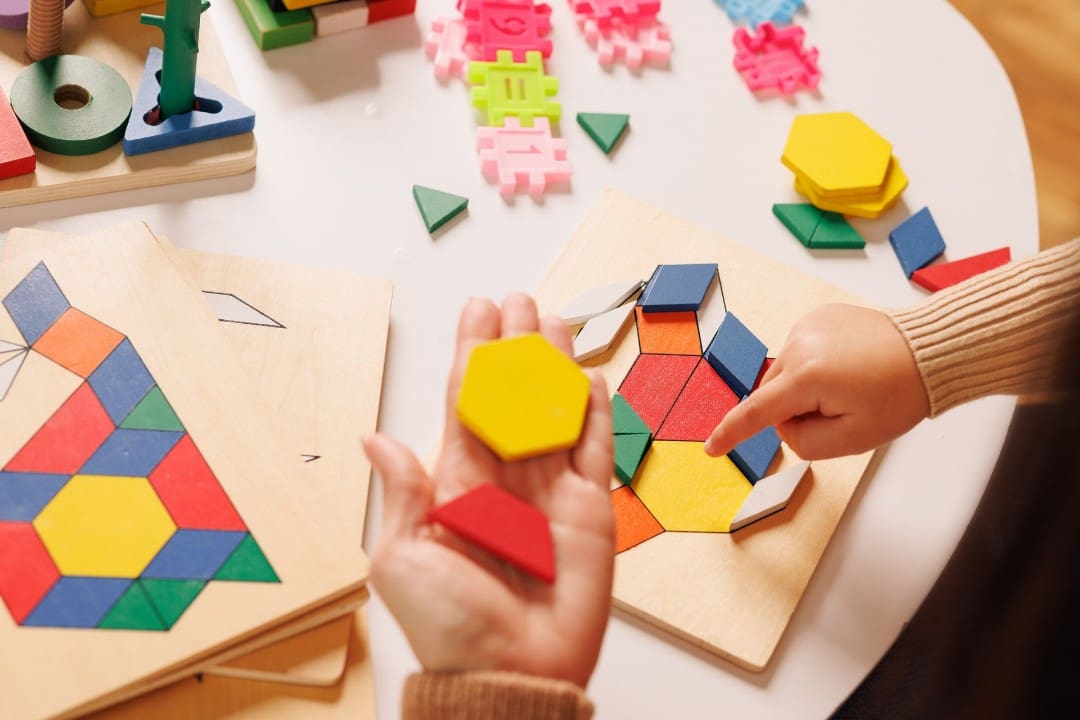
Every child is unique, and most young children learn through a combination of methods. Some may lean toward one learning style more strongly than others, but all benefit from exposure to multiple learning experiences. Our teachers at Early Advantage observe each child closely to identify how they learn best.
We notice what captures their attention during play, how they respond to new lessons, and what activities make them light up. These daily observations allow us to understand a child’s preferred learning style and tailor our teaching approach accordingly.
When teachers and parents recognize a child’s learning style, they can work together to build consistency between home and school. Understanding these differences helps both families and educators support the child’s strengths, address challenges, and make learning feel joyful.
Supporting Individual Learning at Early Advantage
Early Advantage’s approach to education celebrates individuality. Every lesson is designed to include multiple learning methods so each learner finds success. For example, a science lesson might combine visuals (pictures of plants), auditory learning (a song about growth), and kinesthetic exploration (planting seeds).
Our team incorporates multiple curriculums such as Frog Street, S.M.A.R.T., and Second Step to create a balanced, multi-sensory learning experience. This blend helps visual learners process information through color and imagery, auditory learners through rhythm and discussion, and kinesthetic learners through hands-on movement.
Each child benefits from this rich, adaptive environment where curiosity leads the way. This type of individualized support encourages self-confidence, critical thinking, and enthusiasm for discovery. When your child feels understood and supported in how they learn, they grow faster—both academically and emotionally.
Encouraging Learning at Home
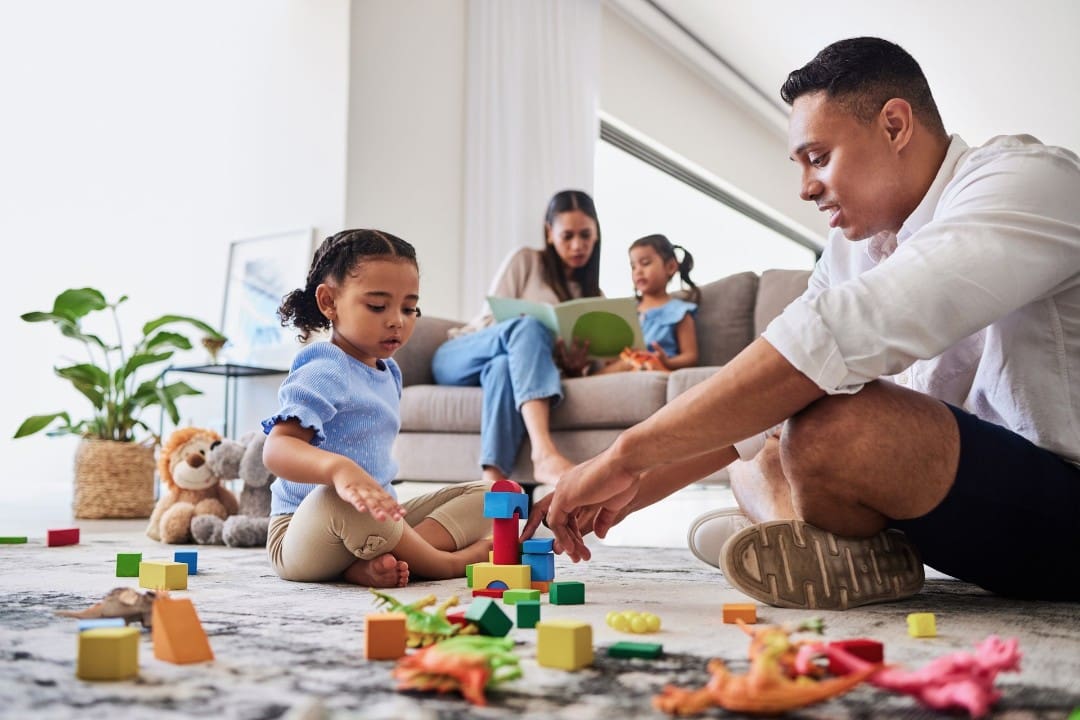
Parents are an important part of every child’s learning journey. Simple daily interactions can reinforce your child’s learning style and make home an extension of the classroom.
- For visual learners, use picture books, sorting games, and illustrated charts to make ideas clear.
- For auditory learners, sing songs, tell stories, and talk about the world around you.
- For kinesthetic learners, include activities that let them touch, build, or move—such as dancing, painting, or exploring outside.
By observing how your child learns, you can help them build confidence and deepen understanding. Talk with your child’s teachers to learn more about which activities support their learning best and how to continue those practices at home.
Helping Every Child Learn Their Way
At Early Advantage, we believe every child deserves an education that celebrates how they learn best. Understanding different learning styles helps us design classrooms filled with imagination, play, and discovery. Whether your child is a visual learner, an auditory learner, or a kinesthetic learner, our teachers provide the right balance of support and challenge.
Our goal is simple—to help your child learn with confidence, connect with others, and develop a lifelong love of learning. We invite you to see this approach in action by scheduling a tour or contacting our team.
Come experience how Early Advantage nurtures every learner and helps each child grow, explore, and shine in their own unique way.