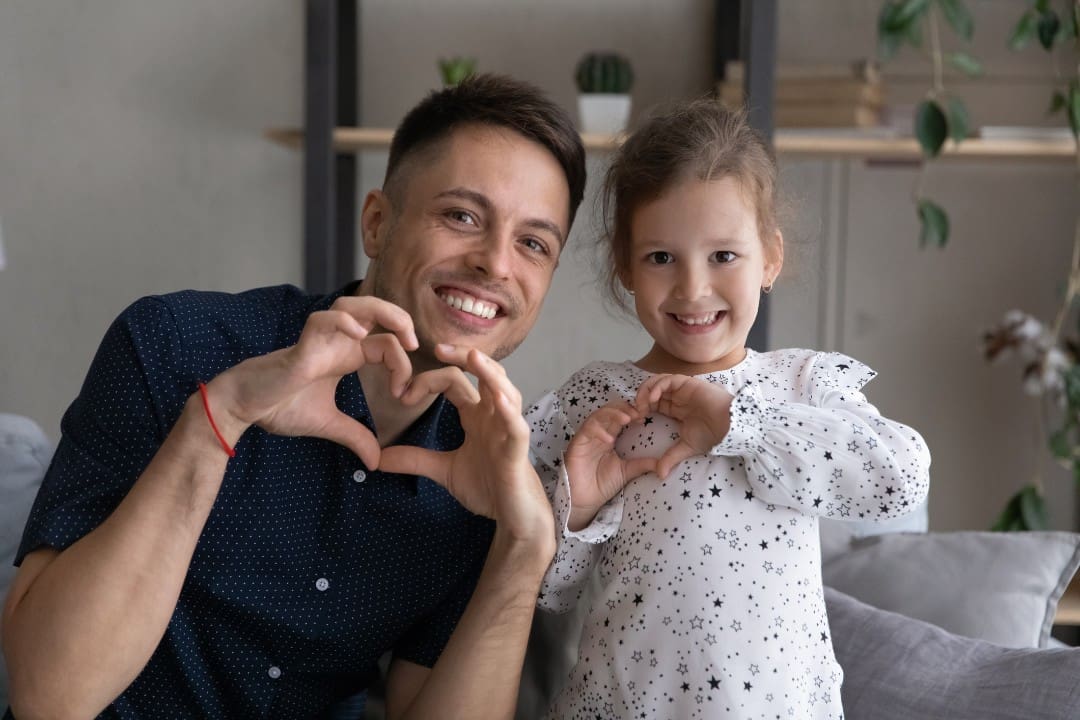
Gratitude is one of the most valuable lessons we can teach our kids.
At Early Advantage, we believe that when a child learns to feel gratitude, they grow into a more caring, compassionate person. Parents often ask how to teach kids gratitude in easy ways that fit into daily routines.
The truth is, gratitude in children starts with modeling, practice, and connection — things that can happen naturally at home.
Why Gratitude Matters for Every Child
Learning gratitude helps a child recognize what they have and appreciate the people around them. When we teach kids gratitude, they learn empathy, patience, and kindness — the benefits of gratitude that last through childhood and beyond.
At Early Advantage, programs like our Conscious Discipline Curriculum help children understand feelings, relationships, and how to show gratitude in simple, meaningful ways. Teaching and practicing gratitude is not about perfection; it’s about giving kids daily opportunities to notice good things and express thankfulness for them.
Easy Activities to Teach Kids Gratitude at Home
Families can use gratitude activities at home to make thankfulness a habit. Here are some fun gratitude activities that help kids learn to see the joy in small moments and make gratitude a natural part of their day.
- Create a Gratitude Tree or Jar: Have your child draw a tree on paper or collect a jar and fill it with leaves or notes of things they’re thankful for. This gratitude jar or gratitude tree becomes a visual reminder of what brings happiness.
- Gratitude Scavenger Hunt: Go on a short walk or look around the house for things that make you feel thankful — a cozy blanket, a favorite book, or a family photo. Talk about why you’re grateful for each one.
- Write Thank-You Notes or Letters of Gratitude: Help your kids write thank-you notes to teachers, grandparents, or friends. This activity helps kids to be grateful and learn how to show appreciation for others’ kindness.
- Start a Gratitude Journal for Kids: A gratitude journal or gratitude book is a wonderful way to teach reflection. Each night, let your child choose one thing they’re thankful for and draw or write about it.
These gratitude activities for kids are not only engaging — they promote a habit of gratitude and remind kids that kindness and thankfulness go hand in hand. Parents who model gratitude in daily moments, such as saying “thank you” at dinner or complimenting others, help our children see gratitude in action.
Building Gratitude Into Daily Routines
Consistency helps kids learn how to express gratitude naturally. Try weaving gratitude and thankfulness into familiar moments. During meals, talk about something each person is grateful for.
Before bed, share a lesson learned or an exercise in kindness. Encourage your toddler or preschooler to practice gratitude by helping with small chores and then acknowledging their efforts. This helps kids grow into grateful people who feel gratitude for both giving and receiving help.
Parents can find more ideas in our Curriculum, which is designed to cultivate emotional and social growth through positive gratitude activities.
How Early Advantage Helps Children Practice Gratitude Every Day
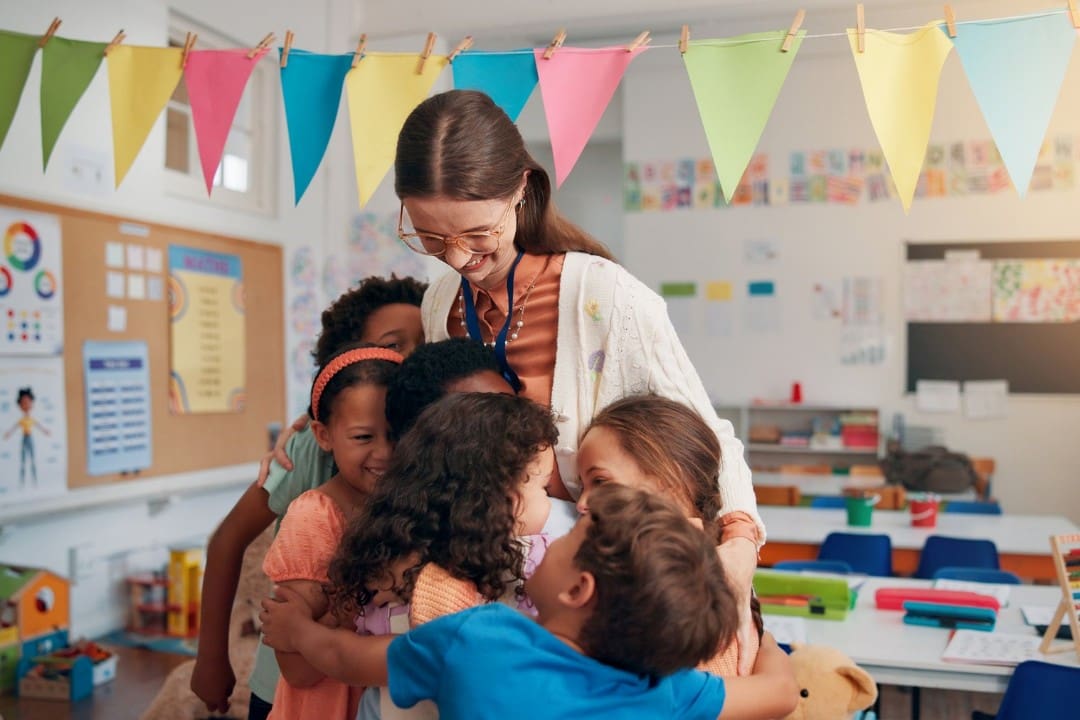
At Early Advantage, we help our kids learn to practice gratitude through play, cooperation, and communication. Teachers model gratitude during group time, encourage children to give thanks, and celebrate when they show gratitude toward others. These habits reinforce the importance of gratitude and build a foundation for lifelong respect and empathy.
If you’d like to help your children grow in kindness and appreciation, we invite you to see how we incorporate these skills in our classrooms. Visit our Schedule a Tour page or Enroll Your Family today. Every family can make gratitude fun and meaningful — and with a little consistency, kids learn that being thankful feels good inside and out.