
Have you ever wondered what a preschool teacher’s typical day looks like? Whether you’re a parent curious about who’s guiding your child’s earliest learning experiences, or someone considering working as a preschool teacher yourself, there’s a lot more happening behind the classroom door than most people realize.
At Early Advantage Child Care, our preschool educators bring intention, warmth, and skill to every hour of the day. Here’s an insider look at what a typical day for a preschool teacher on our team involves.
Before the Children Arrive
The daily routine of a preschool teacher starts well before the first child walks through the door. Most mornings, teachers arrive early to set up the classroom environment, review the day’s lesson plan, and prepare materials for activities.
This prep time is important. A well-organized preschool classroom routine doesn’t happen by accident. Teachers think through transitions, gather supplies for learning activities, and make sure the space is clean, safe, and ready to welcome little ones. For teachers working with children who have IEPs or receive early intervention services, this time also includes reviewing any accommodation notes or preparing for a specialist visit.
Morning Arrival and Welcome Time
As children begin arriving, the preschool teaching schedule shifts into an active, relational mode. Greeting each child individually is one of the most meaningful parts of the day. A warm hello at the door sets the tone for how a child feels during the hours ahead.
Teachers pay close attention during arrival. They’re watching for signs that a child might be having a tough morning, noting how kids separate from their caregivers, and making mental notes about who might need a little extra attention. This kind of observation is a core preschool teacher responsibility that never really stops throughout the day.
Circle Time and Structured Learning
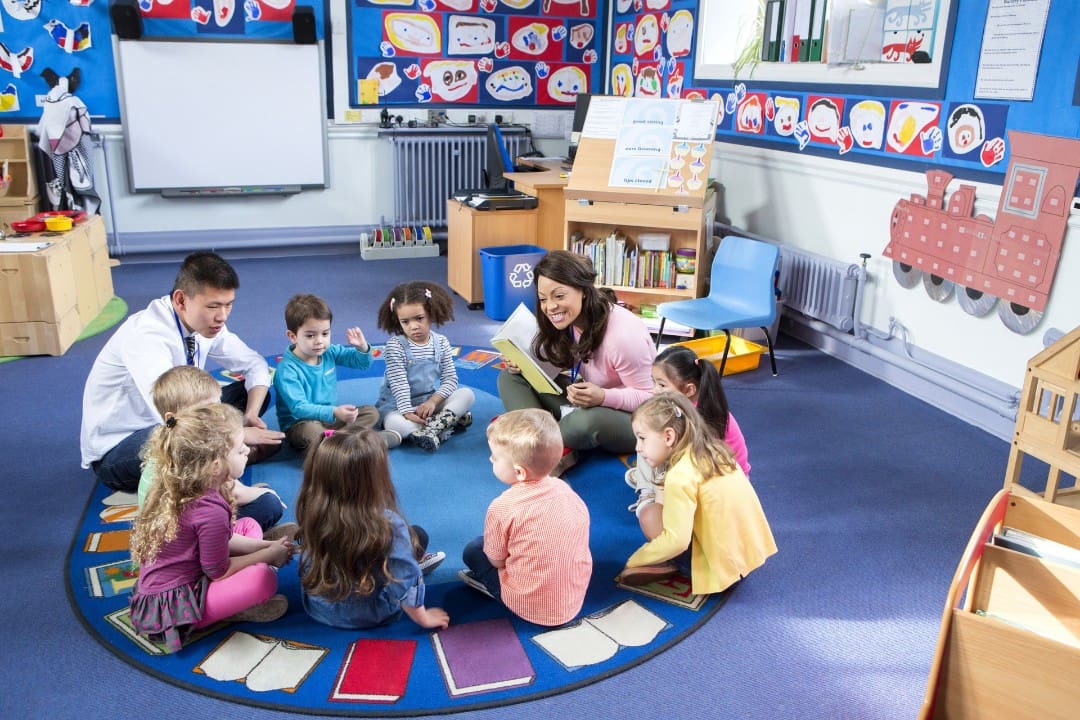
Once the group is settled, most preschool classroom routines include a morning circle time. This is where the day gets introduced, the calendar gets reviewed, and group learning begins. Teachers lead songs, read-alouds, discussions, and activities that build language, social skills, and early literacy concepts.
This part of the preschool teaching schedule requires a teacher to be fully present and highly adaptable. Young children don’t always follow a script. A great preschool educator knows how to keep a group engaged, redirect energy positively, and make learning feel like play. That skill takes time to develop, and it’s one of the things that makes working as a preschool teacher both challenging and deeply rewarding.
Learning Centers and Play-Based Activities
After structured group time, children typically move into learning centers, one of the most dynamic parts of the daily routine of a preschool teacher. These centers might include art, dramatic play, blocks, sensory activities, puzzles, and pre-literacy stations.
During this time, preschool educator activities shift from leading to facilitating. Teachers circulate through the room, asking open-ended questions, narrating children’s play to build vocabulary, and observing developmental progress. They’re also taking mental or written notes about what individual children are working on and where they might need support.
This play-based learning window is also when specialists or support staff may come in to work with specific children, either one-on-one or within the classroom setting. At Early Advantage, we coordinate with outside partners to make sure these visits integrate smoothly into the preschool classroom routine without disrupting the flow of the day for any child.
Snack Time, Meals, and Transitions
A typical day for a preschool teacher includes a surprising amount of time managing transitions. Moving a group of young children from one activity to the next, washing hands before snack, cleaning up after meals, and keeping energy levels regulated requires both patience and strategy.
Snack and meal times are also rich learning opportunities. Teachers use these moments to practice conversation skills, reinforce healthy eating habits, and build independence. You can learn more about how nutrition supports early development in our article on best brain and body-boosting foods for child development.
Outdoor Play and Gross Motor Time
Getting outside is an important part of the preschool teaching schedule at Early Advantage. Outdoor time supports gross motor development, gives children a healthy outlet for physical energy, and offers a completely different kind of learning environment.
Preschool teacher responsibilities don’t pause during outdoor play. Teachers are actively supervising, engaging children in cooperative games, supporting conflict resolution, and watching for safety. It’s one of the more physically demanding parts of the day, and it requires the same level of attentiveness as any structured learning activity.

Rest Time and Quieter Afternoon Activities
Many preschool programs include a rest period in the afternoon. For children who don’t sleep, this time is often used for quiet, independent activities. For teachers, it can be a brief window to update notes, prepare for the rest of the afternoon, or connect with co-teachers about individual children.
The afternoon preschool classroom routine often includes additional learning activities, creative projects, or story time before families begin arriving for pickup.
End-of-Day Communication With Families
One of the most important preschool teacher responsibilities happens at the end of the day: communicating with families. Whether it’s a quick verbal update at pickup, a note home, or a message through the center’s communication system, teachers work to keep parents informed about their child’s day.
This family partnership is something we take seriously at Early Advantage. Parents should feel like they know what’s happening in their child’s world, and teachers play a central role in making that connection happen.
After the Children Leave
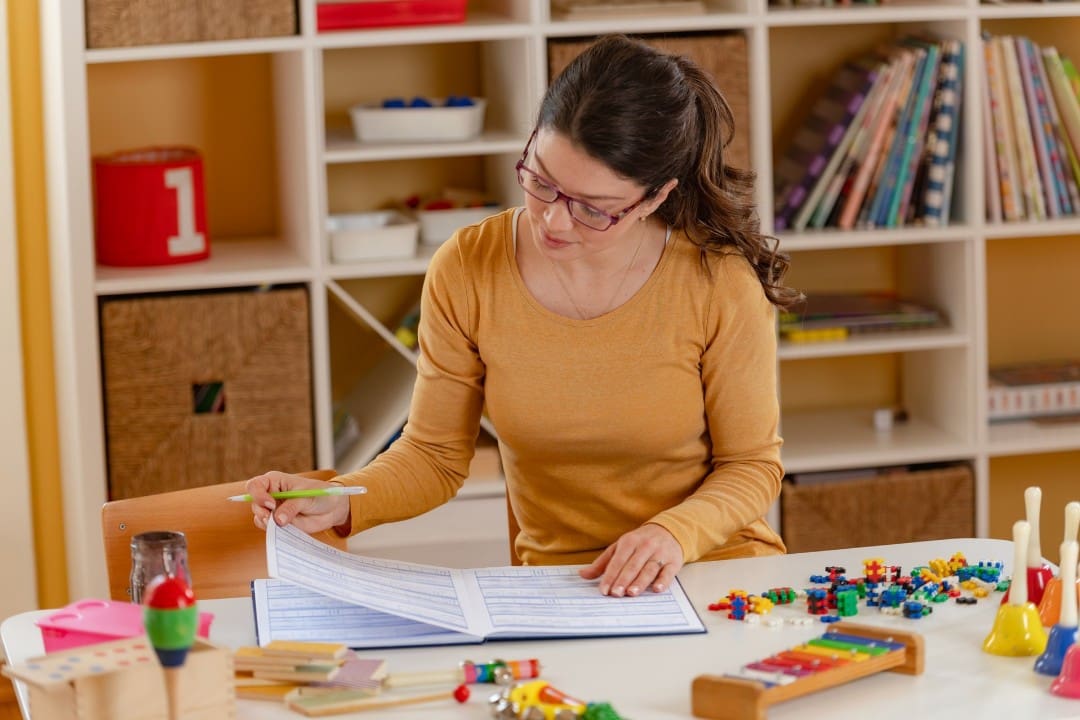
The day in the life of a preschool teacher doesn’t end when the last child goes home. After dismissal, teachers clean and reset the classroom, document observations, plan upcoming lessons, and attend team meetings or professional development sessions.
This behind-the-scenes work is a significant part of what it means to work as a preschool teacher. It’s what keeps the preschool classroom routine feeling intentional and responsive rather than reactive.
The Real Challenges of Preschool Teaching
Managing a full classroom of young children, supporting kids with varying developmental levels, navigating big emotions, and staying regulated yourself across a long, active day is hard work.
Staff in early childhood education are also professionals who deserve recognition for the depth of skill their work requires. At Early Advantage, we invest in our teachers because we know that when our staff thrives, our children thrive.
Is Working as a Preschool Teacher Right for You?
If reading through this makes you feel excited rather than exhausted, working as a preschool teacher might be a great fit. It’s a career that combines creativity, relationship-building, child development knowledge, and lasting impact on children during their most formative years.
At Early Advantage Child Care, we’re proud to have a team of educators who show up to serve every single day. If you’re a parent looking for a program where your child will be truly known and cared for, we’d love to show you what we’ve built. Schedule a tour today and come see our teachers in action.