
Why Emotional Regulation Matters in Early Childhood
Every day, a child is learning how to respond to the world around them. Big emotions can feel overwhelming, and without guidance, a child may struggle to express their feelings in a healthy way. At Early Advantage, we focus on supporting emotional development in early childhood by teaching emotional practices that build confidence and connection.
Managing emotions is a set of skills that must be developed over time with consistent support from parents and caregivers. When children develop emotional awareness, they begin to better understand and manage their reactions, leading to stronger relationships and improved emotional well-being.
How We Help Children Handle Big Feelings
Young minds often feel frustrated, excited, or overwhelmed when they don't know how to respond. Our approach centers on simple, effective emotional regulation strategies children can use every day.
We help children:
Recognize each feeling as it happens
Use words to express what they feel
Practice ways to express emotions calmly and respectfully
Build confidence in their ability to manage their emotions
Through guided support, children learn that every emotion is valid, and there are safe ways to manage their feelings.
Teaching Kids to Manage Emotions Through Daily Practice
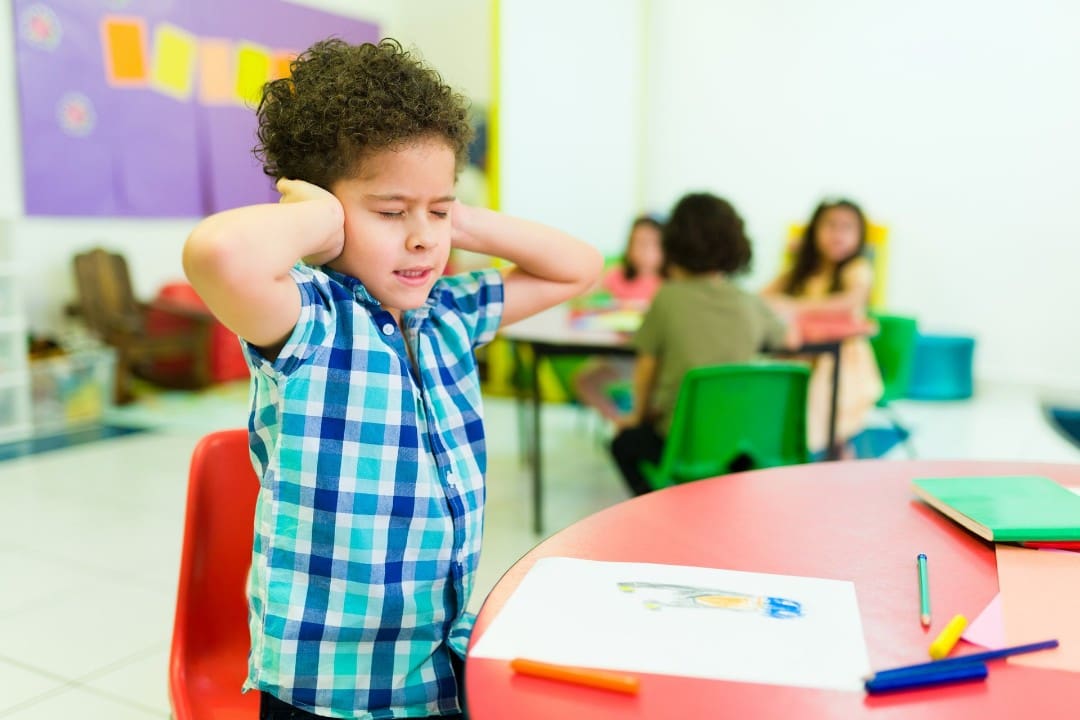
Teaching kids to manage emotions requires consistency, patience, and real-life practice. In our classrooms, we create opportunities for children to practice emotional self-regulation in meaningful ways.
Labeling Emotions and Building Awareness
Labeling emotions is one of the first steps in helping a child understand what they feel. When children hear words like happy, sad, or frustrated, they begin to connect language with feelings.
This awareness helps children understand and manage their reactions more effectively over time.
Creating Calm Moments
When a child is overwhelmed, we guide them to pause and take a deep breath. This simple technique supports emotional self-regulation and helps a child stay calm during a challenging moment.
We model how to:
Stay calm during a tantrum
Speak calmly and respectfully
Give your child space when needed
These moments help children feel safe while learning how to regulate their emotions.
Encouraging Healthy Expression
Children need safe ways to express big feelings. We invite children to explore feelings through play, conversation, and creative activities.
Some examples include:
Drawing to show a feeling
Talking with a caregiver about what happened
Using movement to release energy
These tools to help children manage big feelings allow them to express themselves without fear or frustration.

Emotional Awareness Activities for Kids
At Early Advantage, we incorporate emotional awareness activities for kids into daily routines. These activities support childhood emotional skills development while keeping learning engaging.
We may:
Invite children to practice identifying a feeling during circle time
Use storytelling to help kids understand different emotional situations
Encourage role play so children explore feelings in a safe environment
These experiences help children learn how others feel and how their actions impact those around them.
Managing Strong Emotions in Toddlers and Preschoolers
Managing strong emotions in toddlers and preschool-aged children takes patience and guidance. At this stage, children are still learning how to control impulses and reactions.
We support children by:
Offering comfort and reassurance
Helping a child name what they feel
Guiding them toward positive behavior
As children develop emotional regulation skills, they gain the ability to manage their feelings with greater independence.
Ways to Teach Emotional Control in Preschool
Preschool is a key time for building emotional regulation and self-regulation skills. We focus on helping children develop habits they can carry into later years.
Some effective ways include:
Modeling positive behavior
Giving your child clear expectations
Practicing problem-solving together
These strategies help children manage emotions in a structured and supportive environment.
The Benefits of Supporting Emotional Development in Early Childhood

Supporting emotional development in early childhood means meeting each child where they are. Every child learns at their own pace, and our role is to provide consistent guidance and encouragement.
When children feel supported, they:
Build trust with caregivers
Feel confident expressing each feeling
Learn to manage big emotions with less frustration
This foundation supports long-term success in both social and academic settings.
How Early Advantage Helps Your Child Thrive
At Early Advantage, we believe emotional learning is just as important as academic growth. Our programs are designed to help your child develop the skills needed to understand and manage emotions in a positive way.
We partner with parents and caregivers to create a consistent approach that supports each child’s journey. From toddler classrooms to programs for older children, we provide a nurturing space where children learn, grow, and feel supported every day.
Ready to Support Your Child’s Emotional Growth?
If you are looking for a place where your child can build confidence, learn to manage big feelings, and grow in a supportive environment, Early Advantage is here to help.
Contact us today to learn more about our programs and how we support children in developing lifelong emotional skills.